



Why Switchboard Upgrades Matter More Than Most Homeowners Realise
What A Switchboard Actually Does In Your Home
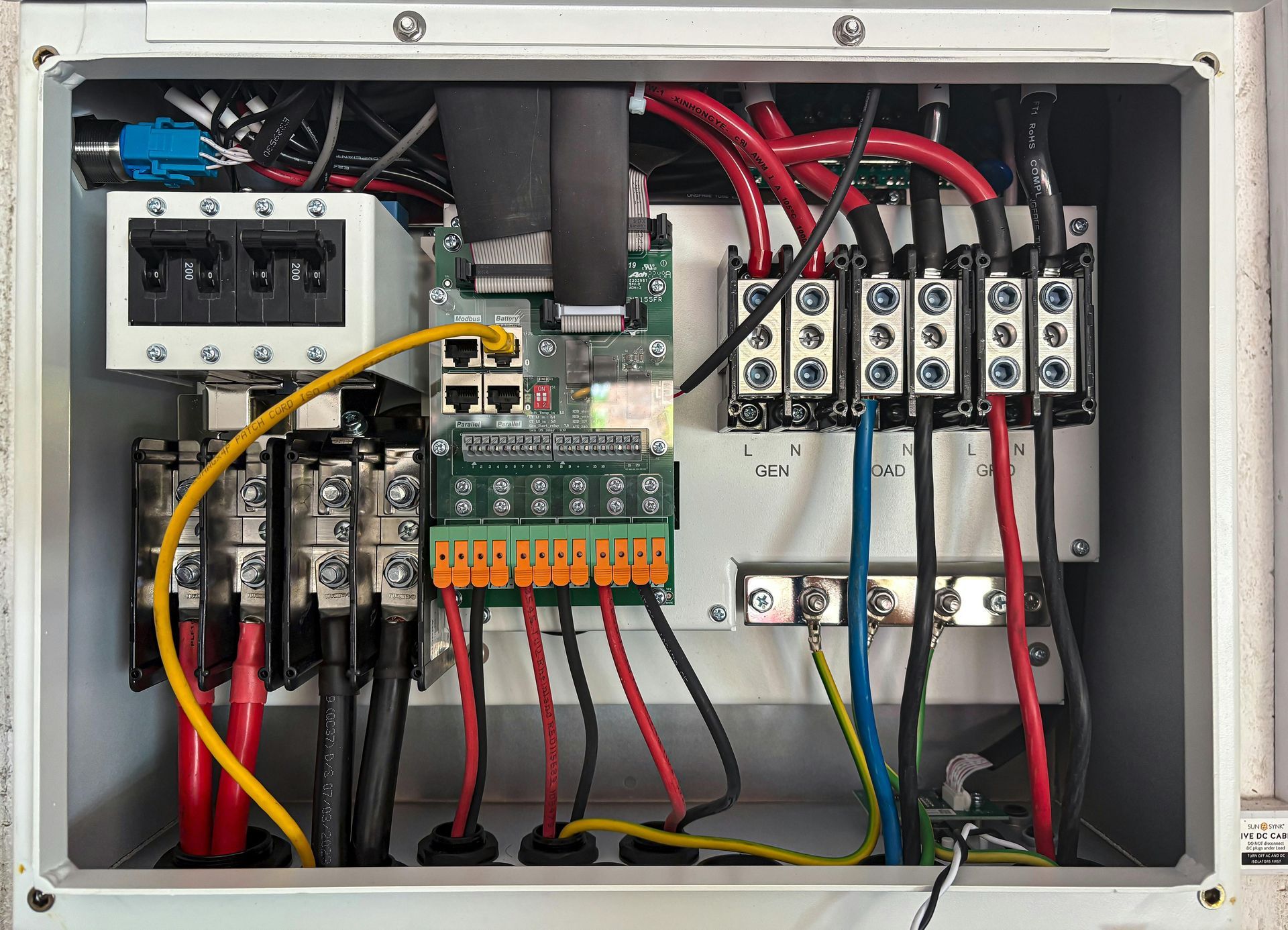
Most people never think about their switchboard until something goes wrong, but it’s one of the hardest-working parts of your home. Every light you switch on, every appliance you run and every bit of power your home uses passes through it. Think of it as the traffic controller of your electrical system – directing electricity safely and making sure each circuit gets what it needs without overloading.
A modern switchboard doesn’t just distribute power. It monitors your circuits, cuts power when something isn’t right and protects you from faults that could do serious damage. But older switchboards weren’t designed for the electrical demands we place on our homes today. Many homes built before the early 2000s still rely on ceramic fuses or older safety devices that react much slower than what’s now considered safe.
Common signs your switchboard might be struggling include frequent tripping, lights that flicker for no clear reason and appliances that lose power unexpectedly. These are early warnings that the system is under stress – and that upgrading isn’t just a convenience, but a safety step.
The Hidden Risks Of Outdated Or Damaged Switchboards
Old switchboards can hide a lot behind the cover. Ceramic fuses were once standard but now fall well short of the protection expected in modern homes. They can overheat, fail to trip properly and don’t offer the fast reaction time needed in an electrical emergency. Add ageing wiring into the mix and the risks increase.
A common issue is that older switchboards can’t cut power quickly when something goes wrong. If a circuit overloads or a wire shorts, a modern safety switch responds almost instantly. Older systems take longer to react – and even half a second can make a big difference in preventing shock or fire.
Another issue is simple capacity. Years ago, homes didn’t have dishwashers, air conditioners, induction cooktops, multiple fridges or wall-to-wall electronics. An older board may have been perfectly fine then, but now it’s forced to handle far more than it was ever designed for. That extra strain can create hot connections and overloaded circuits – two of the biggest causes of household electrical fires.
In short, outdated boards don’t just become unreliable – they become unsafe.
How Modern Switchboards Protect Your Home
Modern switchboards are built with safety front and centre. They include fast-acting safety switches that detect faults such as short circuits, electrical surges or equipment failure. These switch off the affected circuit almost instantly – cutting power before a shock or fire can occur. This quick reaction time is the biggest reason modern switchboards are considered a must-have for homes today.
Another benefit is better organisation. Circuits are clearly labelled, neatly arranged and separated so faults don’t cascade from one area to another. When something does go wrong, it’s far easier to find the issue and fix it without disrupting the whole house.
Modern boards also allow for more precise balancing of electrical loads, meaning your appliances and outlets get steady, reliable power. That reduces tripping, prevents nuisance outages and extends the life of electrical equipment. It’s a small upgrade that creates much smoother day-to-day living.
For families and landlords, a modern switchboard also offers peace of mind – knowing your home meets today’s safety expectations and protects the people who live there.
Why Today’s Homes Need More Electrical Capacity
Homes today use more power than ever before. Even a small household might run an air conditioner, dishwasher, washing machine, computers, gaming equipment, chargers and entertainment systems every day. Compare that to the electrical expectations of a home built 20 or 30 years ago and it becomes clear why older switchboards get overwhelmed.
Then there’s the shift toward more electric appliances. Induction cooktops, heat-pump hot water systems and electric vehicles all require stable, high-capacity circuits. A switchboard that can’t deliver enough load will trip constantly or become dangerously stressed.
Solar systems also create new demands. When installing solar, your home needs a board that can safely handle incoming energy from panels and manage your home’s circuits while switching between grid and solar supply. Many older switchboards don’t meet these requirements and must be upgraded before solar installation.
Upgrading your switchboard is essentially about giving your home room to grow. Instead of patching electrical issues over and over, you start with a foundation strong enough for whatever you plan next.
Planning Ahead: Future-Proofing With An Upgrade
A switchboard upgrade isn’t just about fixing problems today – it’s about preparing for the next decade of changes. Many homeowners plan to add batteries, expand solar systems, install bigger appliances or renovate. Each of these upgrades relies on a switchboard that can handle additional circuits and higher loads.
Renovations are another big one. Adding a new bedroom, outdoor area or home office usually means more power points and lighting. A modern switchboard ensures your electrical system can support the extra demand without constant tripping or safety concerns.
Future-proofing also reduces interruptions. When your switchboard is strong enough to support new technology, you avoid extra electrical work later. Instead of rewiring or adding temporary fixes, everything is designed to work smoothly as your home evolves.
In short, upgrading isn’t just a safety step – it’s a smart investment in your home’s long-term function and convenience.
How To Know If Your Switchboard Needs Attention
There are clear signs that a switchboard may need upgrading. Frequent tripping, buzzing noises and hot components are big red flags. Ceramic fuses are another sign your system is well out of date. Lights that flicker when large appliances start up often point to circuits struggling under load.
Homes that have added new appliances – especially air conditioners, solar systems or kitchen upgrades – may also be stretching their switchboard beyond its limit. If your home feels like it’s growing faster than your electrical system can keep up with, an inspection is well worth arranging.
While some switchboard issues are obvious, others are only visible to a licensed electrician. A quick inspection can confirm whether your board is safe, compliant and capable of handling what your home needs now and in the future.
A Small Upgrade That Protects Your Whole Home
A switchboard upgrade is one of those improvements most homeowners don’t think about until it becomes essential, but it’s often the smartest electrical decision you can make. Modern boards offer faster protection, greater capacity and peace of mind that your home is running safely behind the scenes.
If you’re unsure whether your switchboard is up to date or you’ve noticed signs it may be struggling, Pearson Electrical Solar & Air Conditioning is here to help homeowners across Bundaberg stay safe and supported.
For inspections, advice or to book an upgrade, call 0474 756 492 and our team will point you in the right direction.
